

Nuclear
To provide robust and secure solutions to address the challenges facing the sector, which is undergoing rapid transformation due to the introduction of new EPR reactors.
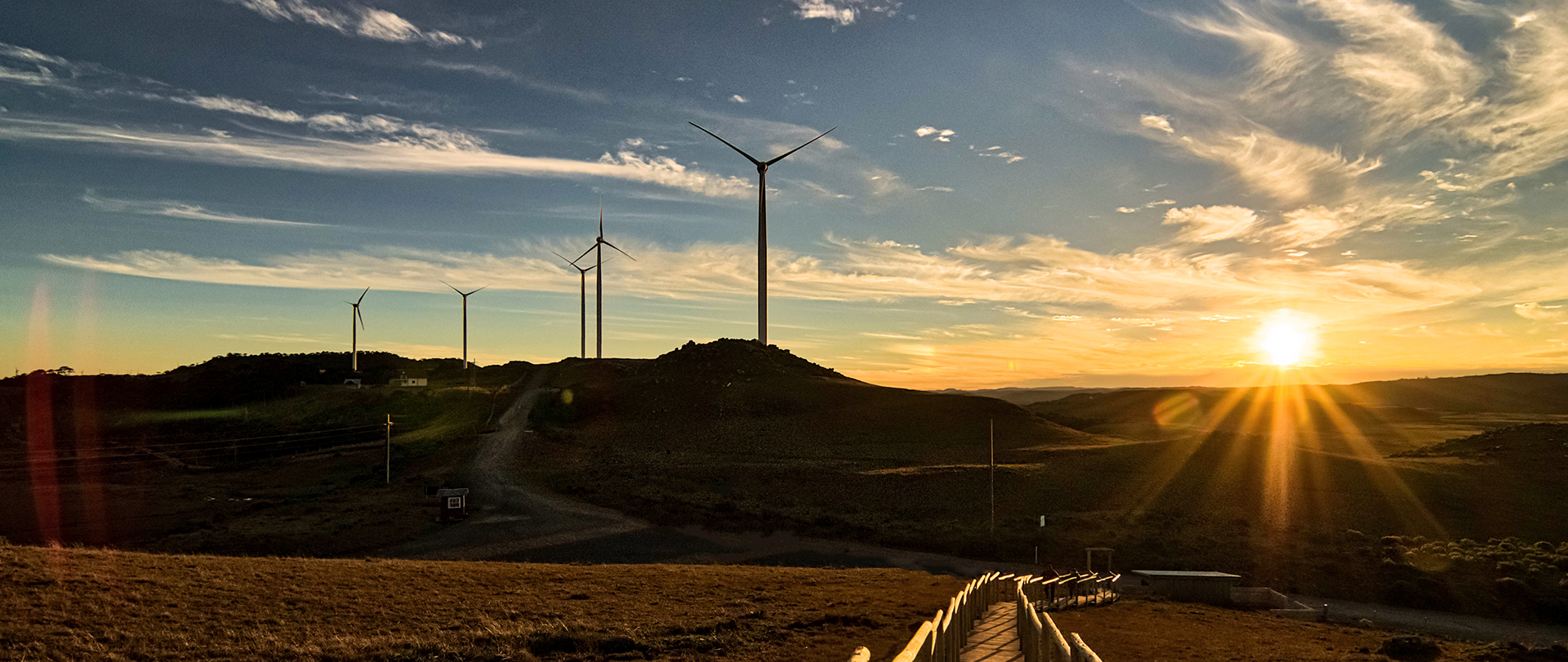
Transforming your business models and operations for the long term
targeted reduction in CO2 emissions by 2030 as part of an ambitious transition plan
potential gains in operational efficiency through AI, depending on the use case
asset availability rate achievable through predictive maintenance
The energy and utilities sector faces a threefold challenge: it must decarbonise rapidly, secure supply and keep costs under control.
The rise of renewables, flexibility measures (storage, demand response) and electric mobility is complicating the supply-demand balance and necessitates real-time management. To meet these challenges, stakeholders must modernise and ensure the interoperability of their platforms, strengthen data governance and cybersecurity, and develop skills (data/AI, network operations, asset management).


The digitalisation of networks and the use of data are opening up practical opportunities such as real-time optimisation, predictive maintenance, flexibility (storage/load shedding), and more personalised customer services.
By combining high-value AI use cases, modular interoperable platforms and upskilling of teams, utilities are turning the energy transition into a competitive advantage.
Finally, industrialisation relies on a robust ecosystem comprising a clear regulatory framework, appropriate funding and public-private partnerships.
Every trade has its own expertise
To provide robust and secure solutions to address the challenges facing the sector, which is undergoing rapid transformation due to the introduction of new EPR reactors.
To provide asset portfolio management solutions designed to optimise implementation and ensure cost control throughout the entire lifecycle.
Adapting networks to the energy transition by increasing their interconnection and introducing advanced control and asset management functions, thereby enabling greater flexibility in their use.
Transforming the business models of energy, utility and service providers to meet the challenges of the energy transition, by developing distinctive services and optimising their operational models.
Modernise the sector by adapting existing infrastructure and developing new applications, whilst contributing to its decarbonisation.