

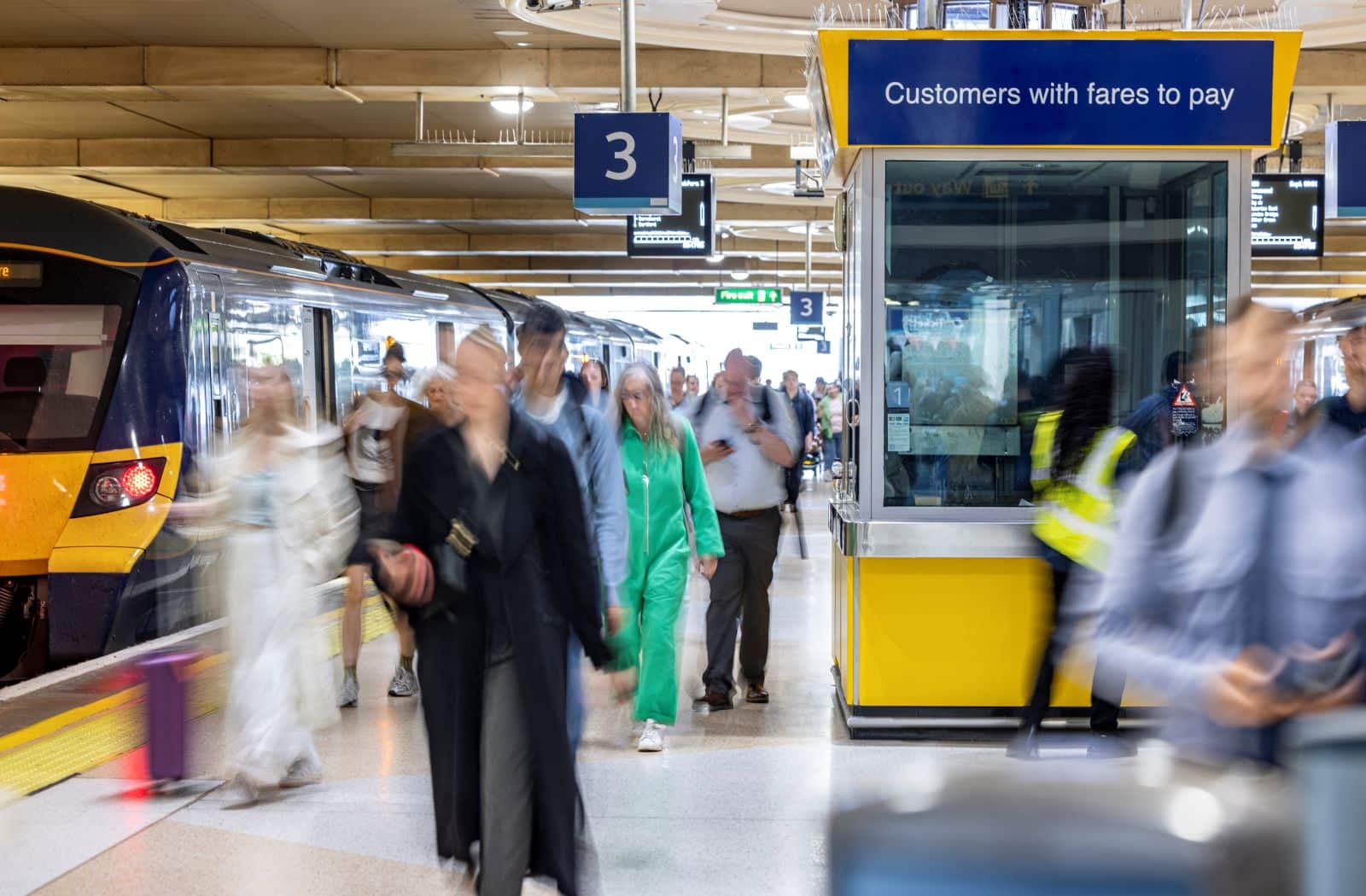
Building confidence in an accessible railway
Below, Dominic Lund from Rail Delivery Group explores the progress being made across the industry, the importance of passenger assistance and why collaboration and innovation are key to creating a more inclusive railway.
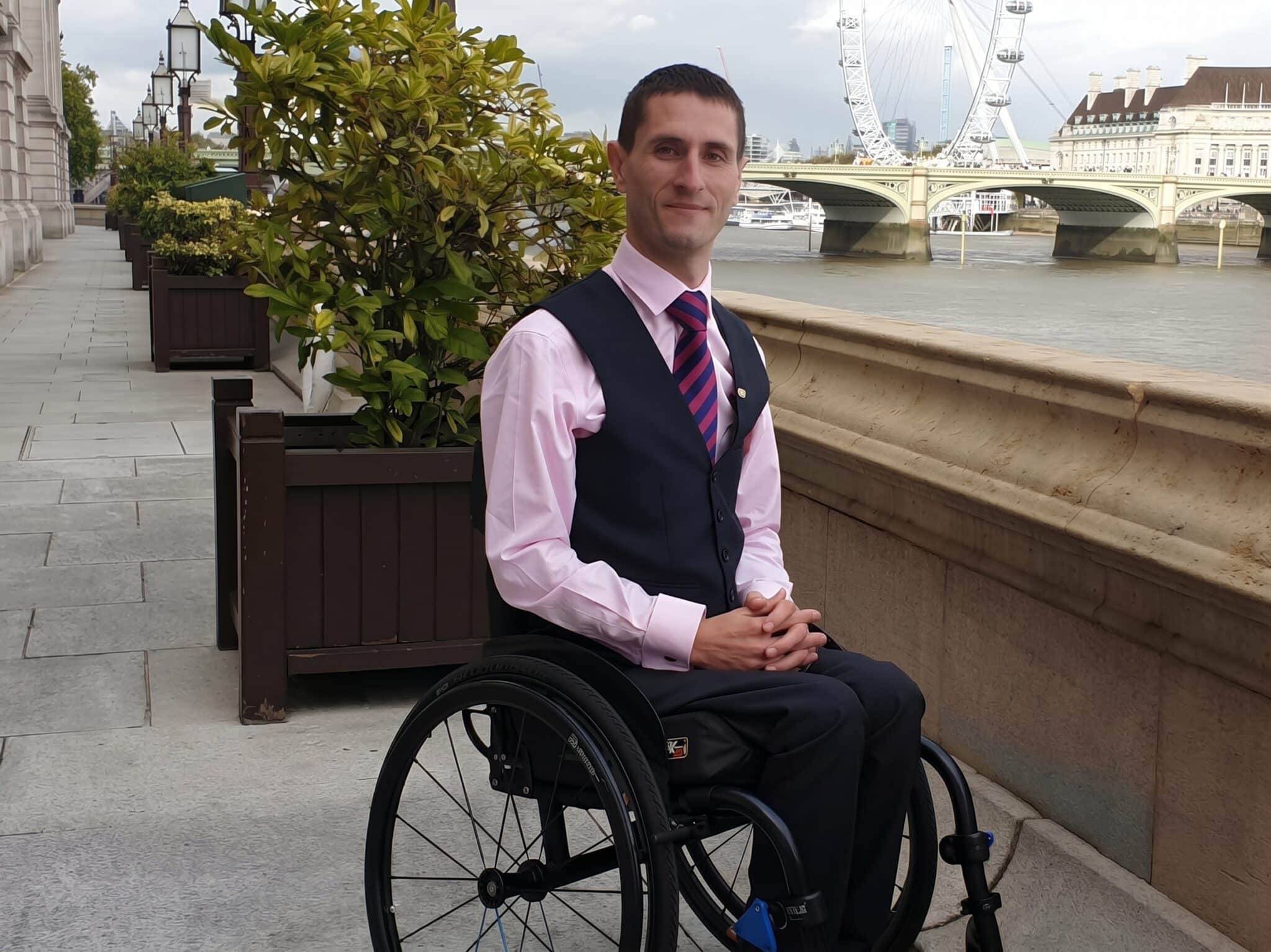
The First Hurdle: The Decision to Travel
For many disabled people, the decision to travel by train starts with knowing whether they can make their journey with confidence – well before they arrive at a station. Will the platform be accessible? Will someone be there to provide assistance? Is the lift working? What happens if the platform changes or the train is cancelled?
These questions can determine whether someone chooses rail at all. While we have made significant progress in making the railway more accessible, we know there’s more to do to ensure every passenger receives a consistent and inclusive experience. That’s why the industry is working across a number of areas, from improving trains and stations to providing better information, assistance and staff support.
More Than Just a Booking: Improving Passenger Assistance
Passenger Assist is an important part of this. It lets customers request assistance by phone, the Passenger Assistance App or website, up to two hours before travelling. That means one train company can arrange assistance across an entire journey, even if a passenger is travelling with several operators.
Customers also want the freedom to travel spontaneously and through ‘Turn Up and Go’, they can arrive at a staffed station and ask a staff member for help or use a Help Point to request assistance, without needing to book in advance.
Between April 2025 and March 2026, more than 1.9 million pre-booked passenger assists were requested – an increase of 18% on the previous year. Of the passengers met by staff, 94% were satisfied with the help they received, while 96% were satisfied with the helpfulness and attitude of staff. Proof of the important role railway colleagues play every day.
We also know that when assistance doesn’t work as it should, the impact on a passenger can be significant and can affect their confidence in making future journeys. That’s why train operators are improving the way assistance failures are recorded and investigated, along with further improvements to Passenger Assist, refresher disability equality training and greater senior level oversight.
Redesigning the Journey: Innovation in Train and Station Design
Greater Anglia has launched the first mainline trains in Britain to allow level boarding at national standard platform height, while Merseyrail has the first fully level boarding mainline network in the UK. That’s real innovation in train and station design.
The Power of Information: Removing the Guesswork
But accessibility is also reliant on giving the right information at the right time to give every customer the confidence to travel.
Examples of strides being taken include:
- Live lift information – available at around 75% of stations with lifts, helping people plan journeys with greater certainty.
- Welcome Points – rolled out at stations, giving customers an identifiable place to contact staff, access live departure information and seek help planning their journey.
- British Sign Language information (BSL) – LNER providing BSL at all its stations and other operators and Network Rail introducing information points at major stations.
- Support for people with non-visible disabilities
An Autism Friendly Guide to Travelling by Train – designed with support from the National Autistic Society and an industry accessibility working group. - Disability equality training – now being undertaken by operators every two years to help staff better understand different passenger needs.
Tech as a Tool, Not the Only Answer
Technology can help us provide greater consistency too and improvements to Passenger Assist are enabling better communication, but it cannot be the only answer.
Digital improvements should expand choice without leaving behind those who can’t or prefer not to use them. Telephone and face to face support must remain available.
Listening to the Experts: The Value of Lived Experience
Most importantly, we need to keep listening. Accessibility events, station visits and initiatives such as ‘Inclusive insights’ have seen senior industry leaders travel alongside disabled passengers to understand firsthand what works and what doesn’t.
Each operator also has a stakeholder accessibility panel, bringing together people with lived experience to help inform how services can be improved. The feedback has helped shape improvements across the board.
We want everyone to feel confident travelling by rail but we accept we don’t get everything right every time and there is still work to do.
The Accessibility Roadmap sets out practical, short-term changes being delivered across the industry to make rail travel across England, Scotland and Wales more inclusive, with a focus on addressing long standing barriers and improving the passenger experience.
By listening to passengers, supporting our staff and continuing to improve our trains, stations, information and assistance services, we can make rail more accessible and inclusive – and give more people greater confidence and independence to use it.