

The one true answer: unlocking rail capacity with ROMAN NG
Picture a freight operator repeatedly trying to launch a new service, only to be told there’s no room left on the network. It’s a credible response, in part because different parties can arrive at different answers about what the network is capable of handling.
With the Government challenging the industry to increase freight moved by rail by at least 40% by 2040 – a target it says could mean around £15 billion more goods moving by rail every year – making better use of existing infrastructure is critical. But a target alone won’t create capacity, build new terminals or fund the infrastructure needed to hit those volumes.
Magellan’s Product Consultant, Andy Castledine, comments on how ROMAN NG is helping to address the challenges of rail capacity planning by giving operators, infrastructure managers and regulators a clearer, more consistent picture of what the network can accommodate.
Closing the Gap: Proving Existing Capacity
“That’s the gap ROMAN NG is built to close – not by laying more track, but by proving the capacity that already exists,” says Andy. “We’re told ‘there’s no capacity, it’s always full’ but that’s nonsense. A lot of the time there’s a lot of free capacity, but we just don’t use it.”

From network guesswork to shared certainty
ROMAN NG is designed to provide a consistent, evidence-based approach to capacity planning, modelling how proposed services interact with the network before they run.
By giving different parties access to the same information, it has the potential to transform how capacity decisions are made. Andy says: “It’s the one true, consistent answer. Quicker, better, and with the many imponderables of the current system made simple.”
Precision Across Every Route
The industry currently works from a fragmented picture, shaped by a huge number of variables. ROMAN NG is designed to provide consistency across different types of routes and operating conditions.
“This is a mixed fidelity approach… it will work with really low traffic, low density, low frequency routes as well as highly congested, highly populated ones. It’s ‘seconds between signals’ type stuff,” he adds.“You can use it whether they’re lightly used or intensely used railway networks.”
Driving Confidence and Regulation
A common platform across infrastructure management, regulation and operators could create greater confidence in capacity decisions, rather than different parties relying on separate modelling approaches.
It could also provide regulators with the supporting data needed to assess applications for new services and train paths, including the capacity implications of different operating speeds, rolling stock and stopping patterns.
Giving freight operators faster, more reliable answers
For freight operators, the ability to assess capacity quickly is hugely important. Customer demand can mean services need to be requested, altered or cancelled at much shorter notice than conventional passenger timetables.
Andy stresses: “They want a good answer fast. You don’t want to be saying ‘let me ring you back next week because I need to run a bunch of simulations’ – the aim has to be to help our customers meet their own time promise.”
ROMAN NG could also support Great British Railways with enhanced strategic capacity planning, providing the System Operator with a more complete, overarching picture of the network.
Defining Useful Capacity
However, understanding capacity isn’t simply about identifying available train paths. It’s also about determining whether that capacity meets an operator’s requirements.
“For an aspirant operator, it’s about having clear sight of the capacity available and how useful it is to you,” says Andy. “What might be great for a 125-mile-an-hour passenger operator, would be useless for a heavy freight operator needing four times the capacity.”
The same logic applies to faster freight locomotives such as the Class 93, which could allow freight services to operate closer to passenger-line speeds rather than being squeezed into leftover gaps.
Faster freight can reduce journey times and make services easier to integrate alongside higher-speed passenger traffic, strengthening rail’s ability to compete with road haulage.
Mind-Blowing Level of Detail
ROMAN NG allows those impacts on capacity and journey times to be modelled down to individual infrastructure constraints.
“Every little bit of infrastructure is listed in the model – points, switches, signals right down to platform lengths and even the changes in air pressure in tunnels are considered. The level of detail is mind-blowing,” explains Andy.
“You just put the data in and it does it right first time… no need to run simulation after simulation. Some models take days to set up and run and have to be left running overnight.”
Putting ROMAN NG into practice
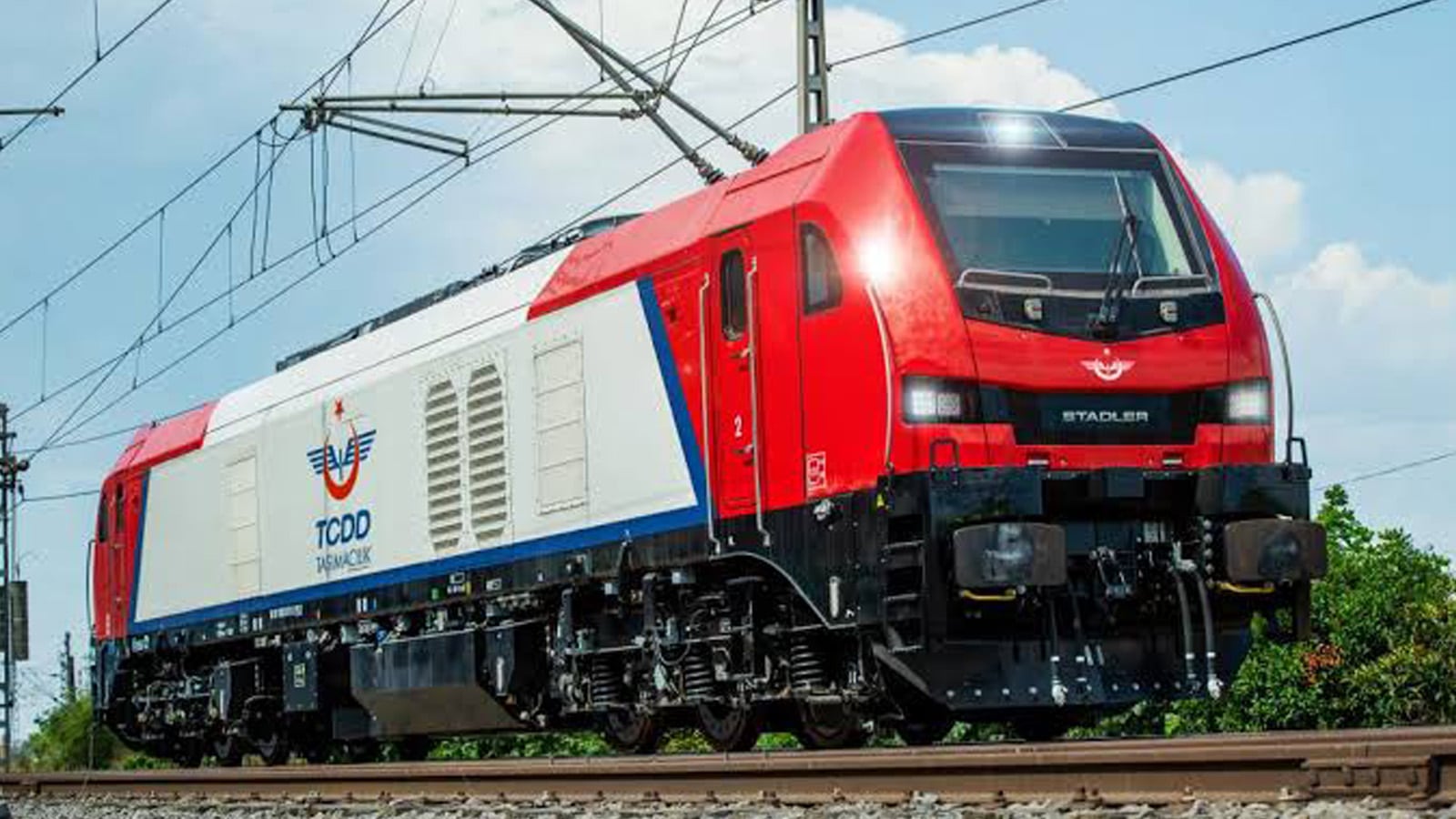
This capability is already being put into practice internationally. In Turkey, Magellan is preparing to deploy the next-generation upgrade of the legacy version of ROMAN that state operator TCDD has relied on for the last 30 years.
The upgrade will support the timetabling of 250km/h-plus high-speed services sharing track with slower freight and commuter trains across a 15,000km network, replacing spreadsheets and manual planning.
It will introduce automated conflict detection and UIC 406-standard capacity calculations to a network facing demand for both speed and freight growth.
The project demonstrates how modern capacity-planning technology can support complex rail networks and help infrastructure managers make more informed decisions.
Making better use of the network
The Commercial Cost of Inaccuracy
For Andy, the importance of modernising capacity planning extends beyond operational efficiency. It also has significant commercial implications for operators.
“Much of the UK’s existing capacity data goes back to manual stopwatch timings, and the industry still schedules trains in half-minute and minute blocks rather than seconds,” he says.
“The commercial stakes of getting it wrong are bad for business. If a train is late, you’re paying compensation. If a train is cancelled, you’ve lost all the revenue. At best you damage customer trust. At worst you lose revenue and contracts.”
With the industry working towards ambitious freight growth and decarbonisation targets, improving how existing network capacity is understood and used will be essential.
By providing a consistent, evidence-based approach to planning, ROMAN NG has the potential to help the industry make better use of its infrastructure, respond more quickly to operators’ needs and unlock opportunities for future growth.
Ultimately, it’s about giving everyone involved in rail capacity planning that one true answer.